
Starting a business is exciting, but getting your first customers can be challenging. A strong digital marketing strategy can help startups build brand awareness, reach the right audience, and generate consistent growth without requiring a huge marketing budget.
Here are five digital marketing strategies every startup should consider.
1. Build a Strong SEO Foundation
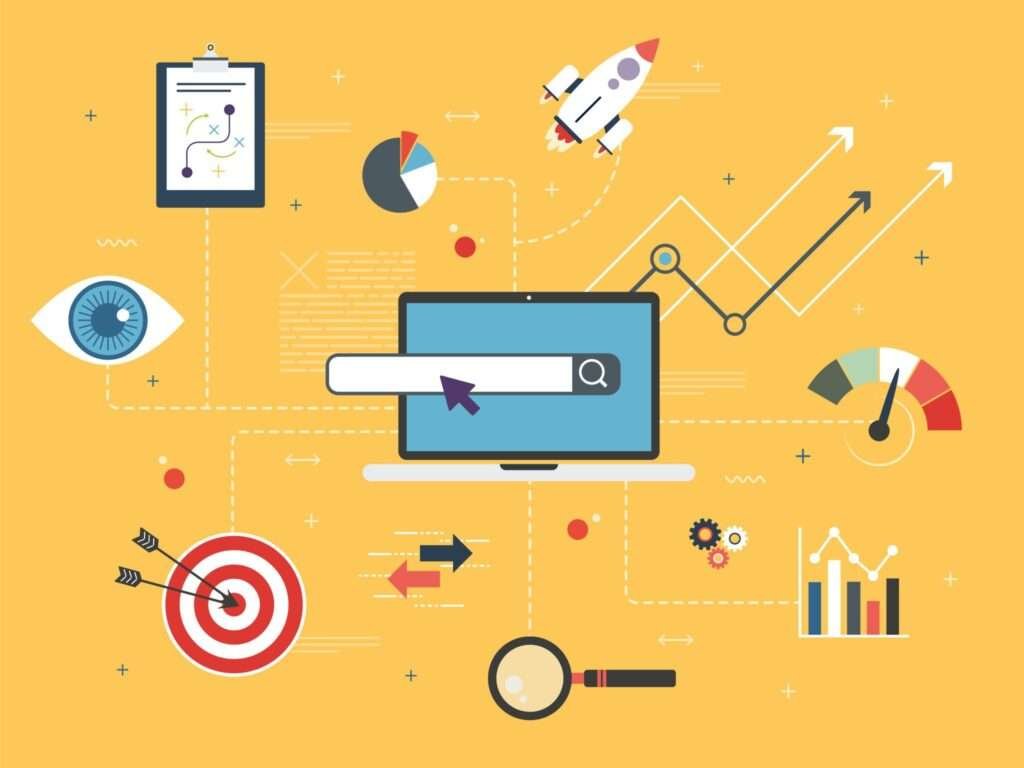
Search Engine Optimization (SEO) helps your website appear when potential customers search for products or services related to your business. Unlike paid advertising, SEO can continue bringing visitors to your website over the long term.
Start by researching keywords your target customers are actually searching for. Use these keywords naturally in your website content, page titles, headings, URLs, and blog posts.
You should also make sure your website loads quickly, works well on mobile devices, and provides useful information. Creating helpful blog content around your industry can further improve your search visibility and establish your startup as a knowledgeable brand.
2. Use Social Media to Build Your Brand

Social media is one of the easiest ways for startups to connect directly with their audience. Platforms such as Instagram, Facebook, LinkedIn, and YouTube can help you showcase your products, share useful content, and build relationships with potential customers.
Instead of only promoting your products, create content that provides value. You can share tips, educational posts, behind-the-scenes content, customer stories, industry insights, and short videos.
Consistency is more important than posting constantly. Choose platforms where your target audience is most active and develop a content schedule that you can maintain.
3. Invest in Targeted Digital Advertising
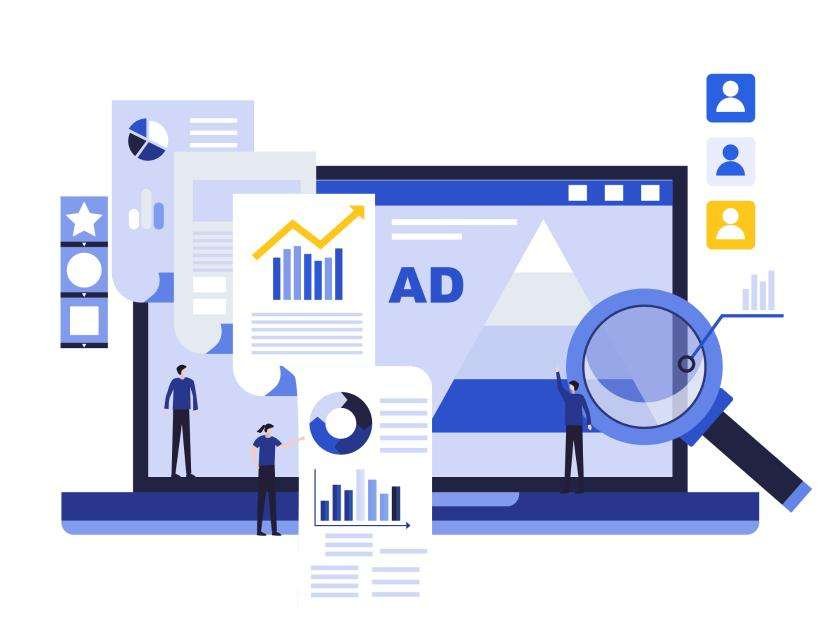
Paid advertising can help startups reach potential customers quickly. Platforms such as Google Ads and social media advertising allow businesses to target audiences based on factors such as interests, demographics, search intent, and online behavior.
Start with a small budget and test different advertisements, audiences, and messages. Track important metrics such as clicks, conversions, cost per lead, and return on advertising spend.
The goal isn’t simply to get more clicks. Your campaigns should generate meaningful results, such as enquiries, purchases, registrations, or leads.
4. Create Valuable Content

Content marketing helps startups attract and educate potential customers. Useful content can also build trust before someone decides to buy from your business.
Create content based on the questions and problems your target audience has. Blog articles, videos, guides, infographics, case studies, and social media posts are all useful formats.
For example, a digital marketing startup could publish articles about SEO, social media marketing, online advertising, and content strategies. This type of content can attract people who are already interested in digital marketing and may eventually become customers.
Remember: good content should solve a problem rather than simply promote your business.
5. Track Results and Improve Your Strategy

One of the biggest advantages of digital marketing is the ability to measure performance. Startups should regularly monitor their marketing results and use the data to make better decisions.
Track metrics such as website traffic, leads, conversion rates, engagement, search rankings, and advertising performance. Tools such as Google Analytics and Search Console can provide useful insights into how people find and interact with your website.
Don’t be afraid to change your strategy when something isn’t working. Test different content, advertisements, keywords, and audiences. Over time, these improvements can make your marketing more effective and help you get better results from your budget.
Conclusion
Digital marketing gives startups an opportunity to compete, build visibility, and reach customers in a cost-effective way. SEO, social media marketing, digital advertising, content marketing, and performance tracking can work together to create a strong online presence.
The key is not to try everything at once. Start with a clear target audience, choose the strategies that best fit your business, measure your results, and continuously improve.
With consistency and the right approach, digital marketing can become a powerful tool for turning a startup into a growing business.